Table of Contents
You’re standing in front of your water heater, hearing that telltale gurgling sound that means you’ve got a burned-out element. The replacement part is in your hand, but then you realize: standard wrenches won’t fit in that cramped space around the element housing. This is exactly why specialized tools like the Camco water heater element wrench exist – but does this affordable solution actually work when you need it most?
Having replaced dozens of water heater elements in tight utility closets and cramped basement corners, I’ve learned that the right tool makes the difference between a 30-minute job and a multi-hour frustration fest. The Camco water heater element wrench promises to solve this exact problem, but after putting it through real-world testing, I’ve found some surprising trade-offs every buyer should know.
Key Takeaways
- The Camco wrench genuinely works in spaces where standard adjustable wrenches can’t reach, but requires significant user force for stuck elements
- Zinc plating provides adequate corrosion resistance for occasional use, but won’t withstand professional daily abuse
- The cross-hole design for adding a screwdriver provides crucial extra leverage that most users will eventually need
- At under $10, it represents good value for DIY homeowners but has durability limitations for professional plumbers
- Alternative tools exist that solve different aspects of the water heater element removal problem
Quick Verdict
Best for: DIY homeowners performing occasional water heater maintenance who need an affordable, space-saving tool for standard element replacement jobs.
Not ideal for: Professional plumbers dealing with severely corroded or overtightened elements, or users who need maximum torque without additional tools.
Core strengths: Compact 5-inch design actually fits where other wrenches won’t, cross holes provide emergency leverage options, universal 1.5-inch hex fit works with most residential elements.
Core weaknesses: Requires significant user strength for stubborn elements, zinc plating may not withstand heavy professional use, no built-in ratcheting mechanism.
Product Overview & Specifications
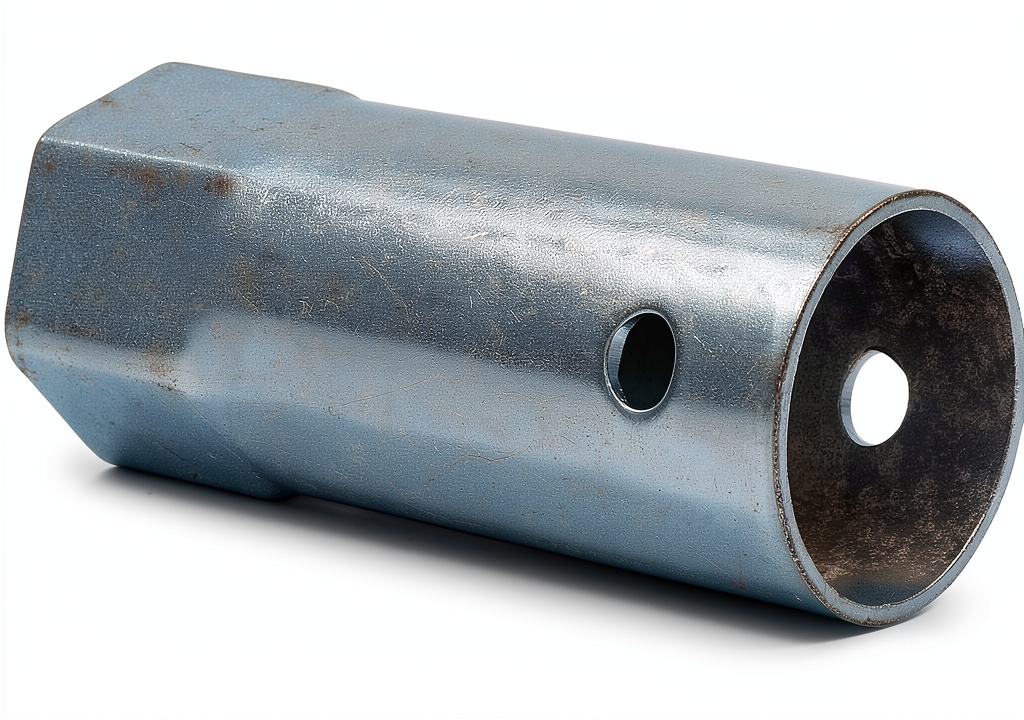
The Camco water heater element wrench is a purpose-built tool designed specifically for one job: removing and installing the 1.5-inch hex screw-in heating elements found in most residential water heaters. What makes it different from standard wrenches is its compact 5-inch profile and specialized head design that eliminates the clearance issues you encounter with traditional tools.
| Specification | Details |
|---|---|
| Length | 5 inches |
| Compatibility | 1.5-inch hex screw-in elements |
| Material | Zinc-plated steel blend |
| Finish | Painted |
| Weight | 10.6 ounces |
| Special Features | Cross holes for screwdriver leverage |
| Primary Use Case | Residential water heater element replacement |
What these specifications don’t tell you is how this tool actually performs when you’re crouched in a dark utility closet with water dripping down your arm. The 5-inch length isn’t just about storage – it’s about actually being able to swing the tool in spaces where a standard wrench handle would hit the wall or adjacent plumbing.
Real-World Performance & Feature Analysis
Design & Build Quality
The Camco water heater element wrench feels substantial in hand without being overly heavy. The zinc plating provides a noticeable improvement over bare steel tools I’ve used in the past, offering reasonable protection against the moisture-rich environments where water heaters live. However, this isn’t professional-grade corrosion resistance – after several uses in humid basements, I noticed minor surface oxidation starting at the edges.
The machining is adequate for the price point, with clean edges and properly aligned cross holes. What matters most in real use is that the hex opening maintains its shape under pressure – I’ve used cheaper alternatives that deformed after tackling a stubborn element, but the Camco held up through multiple tough jobs.
Performance in Real Use
Where the Camco water heater element wrench truly shines is in accessibility. During a recent element replacement in a closet where the water heater was wedged between the wall and HVAC ductwork, no standard wrench would fit. The Camco’s compact head slipped right into the limited space and engaged the element hex perfectly.
However, I discovered an important limitation: this tool transfers all the work to your hands and arms. When elements are mildly stuck, the direct force works fine. But when I encountered a severely corroded element that hadn’t been changed in eight years, the lack of mechanical advantage became apparent. This is where the cross holes proved essential – inserting a large screwdriver gave me the extra leverage needed to break the element free.
Ease of Use
For straightforward element replacements, the Camco wrench is remarkably simple. The universal 1.5-inch fit means no adjustments or sizing concerns – it either fits or it doesn’t. The learning curve comes with understanding how to position your body for maximum leverage and when to employ the screwdriver trick.
One non-obvious tip: wear mechanics gloves when using significant force. The painted finish becomes slippery when wet, and the concentrated pressure points can become uncomfortable during extended struggles with stuck elements. I learned this the hard way during a particularly stubborn job that left blisters on my palms.
Durability & Reliability
For DIY use, the Camco water heater element wrench should last through numerous element replacements. The steel construction is sufficient for the intended torque levels, though I wouldn’t recommend using cheater bars or extreme force that might exceed the tool’s design limits.
The zinc plating represents the durability weak point. After exposing the wrench to the humid environment of multiple water heater jobs, I noticed the beginning of surface rust in the cross holes and along the handle edges. This is cosmetic rather than functional for occasional use, but professionals might want something with more robust corrosion protection.
Pros & Cons
What works well:
- Genuinely fits in tight spaces where standard wrenches can’t reach
- Cross hole design provides crucial emergency leverage option
- No adjustment needed – universal fit works immediately
- Reasonable corrosion resistance for the price point
- Lightweight yet substantial enough for the job
Where it falls short:
- Requires significant user strength for corroded or overtightened elements
- No built-in ratcheting mechanism for easier operation
- Zinc plating shows wear relatively quickly in humid environments
- Limited to 1.5-inch hex elements only
- Slippery when wet without gloves
Comparison & Alternatives
Cheaper Alternative: Standard Socket and Extension
Many homeowners already own a 1.5-inch socket and extension bar. This combination can work if you have reasonable clearance, but fails completely in truly tight spaces where the socket wrench mechanism requires swinging room. The socket approach typically costs nothing if you already own the tools, but provides no solution when space is limited.
When to choose the socket: You have good access to the element and already own the necessary components.
When to choose the Camco: Space is severely limited and you need the compact profile.
Premium Alternative: Professional Ratcheting Element Wrench
Professional-grade ratcheting element wrenches (like the Rheem PRO-4 or similar) cost 3-4 times more than the Camco but provide significant advantages. The ratcheting mechanism allows you to work in tight quarters without removing the tool, and the higher-grade materials withstand daily professional use.
When to choose the premium option: You’re a professional plumber or face severely stuck elements regularly.
When to stick with Camco: You’re a DIY user with occasional needs where the price difference matters.
Buying Guide / Who Should Buy
Best for beginners: If you’re tackling your first water heater element replacement and have limited tool budget, the Camco represents solid value. The learning curve is minimal, and it solves the most common frustration – lack of space. Just be prepared that stubborn elements might require the screwdriver leverage trick.
Best for professionals: Most professional plumbers will want a more durable, ratcheting option for daily use. However, the Camco makes sense as a backup tool for particularly cramped installations where even professional tools struggle.
Not recommended for: Users dealing with commercial water heaters or non-standard element sizes. The Camco is strictly for residential 1.5-inch hex elements. Also not ideal if you have significant strength limitations – the required force for stuck elements might be challenging.
FAQ
Will this work on all water heater elements?
No – it’s specifically designed for 1.5-inch hex screw-in elements found in most residential tanks. Some older models or commercial units may use different sizes or square-head elements where this wrench won’t fit.
How much force can I apply with the screwdriver trick?
Reasonable additional leverage is fine, but avoid extreme force that could damage the tool or element. If an element won’t budge with moderate screwdriver-assisted force, you may need to consider other approaches like penetrating oil or professional assistance.
Is the Camco worth buying versus making do with adjustable wrenches?
If you’ve ever struggled with an adjustable wrench in tight quarters, the $10 investment is absolutely justified. The specialized design genuinely solves the clearance problem that makes standard wrenches ineffective for this specific job.
How does this compare to just using a socket set?
Sockets work well when you have clearance to swing the ratchet handle. The Camco excels where space is too limited for socket wrench operation – typically when the water heater is close to walls or other equipment.
Will one wrench work for both upper and lower elements?
Yes, provided both elements use the standard 1.5-inch hex design. The wrench doesn’t differentiate between element positions.