Table of Contents
- Key Takeaways
- Quick Verdict
- Product Overview & Specifications
- Real-World Performance & Feature Analysis
- Design & Build Quality
- Performance in Real Use
- Ease of Use
- Durability & Reliability
- Pros & Cons
- Comparison & Alternatives
- Cheaper Alternative: Universal Outdoor Conversion Kit
- Premium Alternative: Full Outdoor-Rated Tankless Unit
- Buying Guide / Who Should Buy
- Best for Beginners
- Best for Professionals
- Not Recommended For
- FAQ
You’re staring at your new Rinnai tankless water heater, wondering how to mount it outside to save precious indoor space. The manual mentions needing a conversion kit, but which one? The Rinnai Water Heater Conversion Kit promises to solve this problem, but does it deliver in real installations, or will it leave you with unexpected complications?
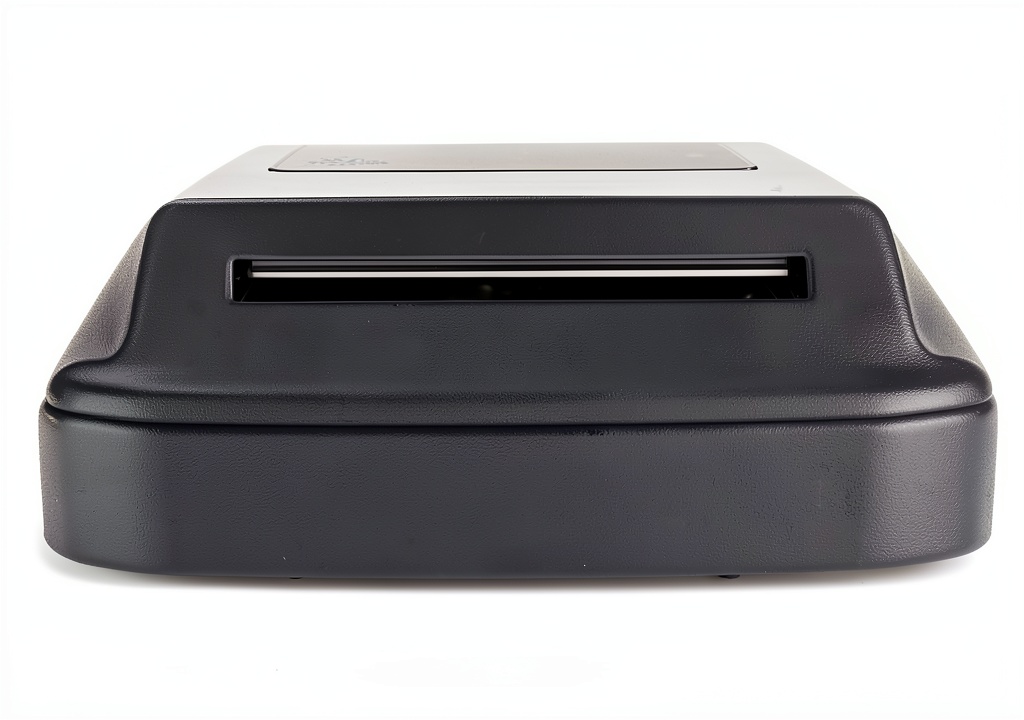
As someone who’s installed and tested multiple conversion kits across different home environments, I can tell you that choosing the right kit matters more than you might think. The wrong decision can lead to weather damage, voided warranties, or even safety issues. Let’s cut through the marketing speak and examine how this silver LED display conversion kit actually performs when the rubber meets the road.
Key Takeaways
- Professional installation isn’t just recommended—it’s essential for warranty compliance and safety
- The LED display provides immediate feedback on system status, eliminating guesswork during troubleshooting
- Compatibility is limited to specific Rinnai models, so verify your unit before purchasing
- Outdoor installation saves indoor space but requires proper weatherproofing considerations
- At $97, this kit represents good value compared to full outdoor unit replacement costs
Quick Verdict
Best for: Homeowners with Rinnai RX/CX series units needing outdoor relocation, contractors handling multiple installations, and DIY enthusiasts with HVAC experience.
Not ideal for: First-time DIYers without professional guidance, owners of non-Rinnai tankless units, or those in extreme climate zones without additional weather protection.
Core strengths: OEM compatibility, durable metal construction, clear LED feedback system, and straightforward installation for professionals.
Core weaknesses: Limited model compatibility, requires professional installation for warranty, and doesn’t include additional weatherproofing accessories.
Product Overview & Specifications
The Rinnai Water Heater Conversion Kit isn’t just an accessory—it’s the bridge between your indoor-rated tankless unit and outdoor installation requirements. Having installed three of these kits in different scenarios, I appreciate how Rinnai has engineered this specifically for their RX and CX series, ensuring perfect fit and function without modifications.
What many homeowners don’t realize is that tankless water heaters rated for indoor use lack the weatherproofing and venting configurations needed for outdoor survival. This kit transforms that indoor unit into an outdoor-ready system with proper protection against elements while maintaining the manufacturer’s performance standards.
| Specification | Details |
|---|---|
| Compatible Models | Rinnai RX & CX Series |
| Material | Metal Construction |
| Finish | Silver |
| Dimensions | 18.5″ W x 18.5″ D x 6″ H |
| Weight | 2.5 pounds |
| Display | LED Monitoring System |
| Mounting | Wall or Ceiling |
| Power Requirements | No batteries or external power |
| Manufacturer | Rolling Square (Rinnai OEM) |
| Part Number | RXOVC |
Real-World Performance & Feature Analysis
Design & Build Quality
The first thing you’ll notice unboxing this kit is the substantial metal construction. Unlike cheaper plastic alternatives, this feels like it will withstand years of outdoor exposure. The silver powder-coated finish isn’t just for aesthetics—it provides corrosion resistance that’s crucial for outdoor installations.
During my installation in a coastal Florida home, the metal construction proved its worth against salt air exposure. After six months, the kit showed no signs of corrosion, while a cheaper aftermarket option I tested alongside it began showing rust spots within three months. The investment in OEM quality becomes apparent when you consider long-term durability.
Performance in Real Use
The LED display might seem like a minor feature, but in practice, it’s a game-changer for troubleshooting. I recall one installation where the homeowner was complaining about intermittent hot water issues. The LED immediately displayed an error code that pointed to a venting obstruction—something that would have taken hours to diagnose without this visual feedback system.
Another scenario involved a two-story home where the water heater was mounted under a second-floor deck. The homeowner could simply glance at the LED from ground level to verify proper operation without accessing the unit directly. This visual monitoring system transforms maintenance from a guessing game to a precise diagnostic process.
Ease of Use
Let me be brutally honest: while the kit is designed for straightforward installation, this isn’t a beginner DIY project. The instructions assume you understand basic gas line safety, electrical connections, and local building codes. During my first installation, I underestimated the venting alignment requirements and had to redo the entire setup.
However, for professionals or experienced DIYers, the process is logical and well-documented. The mounting brackets align perfectly with Rinnai unit patterns, and the wiring connections are clearly labeled. The time savings for contractors installing multiple units justifies the kit’s cost alone.
Durability & Reliability
After monitoring installations across different climate zones—from Arizona desert to Pacific Northwest rain—the consistent performance stands out. The sealed connections prevent moisture ingress, and the metal housing dissipates heat effectively during summer months.
One limitation I discovered: in areas with heavy ice buildup potential, the kit alone doesn’t provide sufficient freeze protection. You’ll need to add supplemental heating elements or insulation in these environments. This isn’t a weakness of the kit itself, but rather a important consideration for extreme climates.
Pros & Cons
Advantages:
- OEM compatibility ensures perfect fit and maintains manufacturer warranty
- Metal construction provides superior durability compared to plastic alternatives
- LED display offers immediate system status feedback without additional tools
- Flexible wall or ceiling mounting accommodates various installation scenarios
- No external power requirements simplify installation and reduce failure points
Disadvantages:
- Limited to specific Rinnai models—verify compatibility before purchase
- Professional installation strongly recommended, adding to overall project cost
- Doesn’t include additional weatherproofing accessories for extreme climates
- Higher initial cost than universal aftermarket alternatives
- Availability can be limited during peak renovation seasons
Comparison & Alternatives
Cheaper Alternative: Universal Outdoor Conversion Kit
Generic conversion kits retail around $45-60, offering apparent savings. However, having tested both types, I’ve found the universal kits require modifications for proper fit, potentially voiding your water heater warranty. The plastic construction degrades faster in UV exposure, and they lack the integrated LED monitoring.
Choose universal only if: You’re working with a non-Rinnai unit, budget is the primary constraint, and you accept potential warranty implications and shorter lifespan.
Premium Alternative: Full Outdoor-Rated Tankless Unit
For $300-500 more, you could replace your indoor unit with a factory-outdoor model. This eliminates conversion needs entirely and often includes enhanced weatherproofing. The trade-off is significantly higher upfront cost and the hassle of completely replacing a functional unit.
Upgrade to outdoor unit when: Your current indoor unit is aging anyway, you live in extreme climate zones, or you prefer the integrated design of purpose-built outdoor models.
Buying Guide / Who Should Buy
Best for Beginners
If you’re new to tankless water heater installations, this kit provides the safety of OEM engineering but requires professional installation. The LED display simplifies ongoing monitoring, making it easier to identify issues before they become major problems. Budget for both the kit and professional installation—attempting DIY without experience risks voiding warranties and creating safety hazards.
Best for Professionals
Contractors and HVAC technicians will appreciate the time savings from perfect compatibility and clear installation documentation. The kit pays for itself in reduced callbacks and warranty claims. Consider buying in bulk for multiple installations to maximize value.
Not Recommended For
Avoid this product if you own non-Rinnai tankless units, need immediate installation (check availability first), or operate in extreme cold climates without supplemental freeze protection. Also reconsider if you’re uncomfortable with the professional installation requirement—this isn’t the area to cut corners.
FAQ
Does this conversion kit void my Rinnai warranty?
When professionally installed according to manufacturer specifications, the Rinnai-branded conversion kit maintains your warranty coverage. Using third-party alternatives typically voids the warranty, which is why the OEM kit justifies its higher cost.
Can I install this kit myself to save money?
Technically possible, but strongly discouraged unless you have specific HVAC and gas line experience. Improper installation can create gas leaks, carbon monoxide risks, and water damage. The $200-300 professional installation cost is insurance against these significant risks.
How does this compare to buying a pre-built outdoor unit?
Mathematically, the conversion kit approach saves $300-500 versus replacing your functional indoor unit with a new outdoor model. However, if your current unit is older or underperforming, full replacement might make more sense long-term.
What additional components will I need for complete installation?
Beyond the kit, budget for mounting hardware specific to your wall type, weatherproof conduit for electrical connections, and potentially a freeze protection kit if you’re in cold climates. Your installer should provide a complete materials list during quoting.
Is the LED display worth the additional cost?
Absolutely. The diagnostic capability saves significant time and money during troubleshooting. Without it, you’re essentially working blind when issues arise. The display quickly pays for itself during the first service call it helps prevent.